

Mastering IVF Downregulation: A Comprehensive Guide for Success
Downregulation is a crucial step in IVF treatment, helping to control the menstrual cycle and increase the chances of successful egg retrieval. Learn about the necessity, protocols, and considerations of downregulation to ensure a smooth and effective IVF journey. By understanding downregulation, patients can better prepare for treatment and improve their overall experience.
What is Downregulation?
Downregulation is a vital step in in vitro fertilization (IVF) treatment, aimed at suppressing the natural menstrual cycle and reducing the risk of spontaneous ovulation. By using specific medications, downregulation helps to control follicle growth and development, increasing the success rate of egg retrieval and overall IVF treatment. Typically, downregulation occurs before ovarian stimulation, with the duration varying depending on individual circumstances and chosen treatment protocols.
Why is Downregulation Necessary?
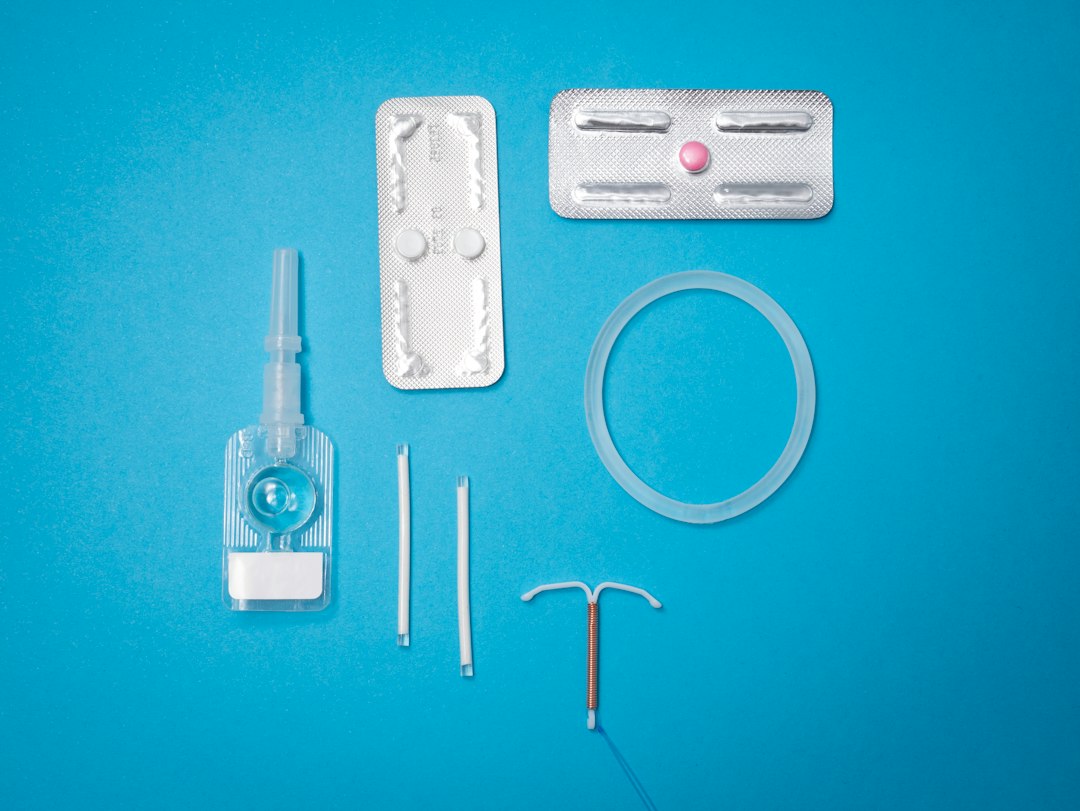
In a natural menstrual cycle, the ovaries release eggs in a process controlled by a complex hormonal regulation system. However, in IVF treatment, precise control over egg release and retrieval timing is essential to ensure sufficient eggs are collected. Downregulation suppresses the body's natural hormonal fluctuations, enabling doctors to better control the treatment cycle and improve egg retrieval success rates. Additionally, downregulation reduces the risk of ovarian hyperstimulation syndrome (OHSS), enhancing the patient's treatment experience.
Which Protocols Require Downregulation?
Not all IVF treatment protocols require downregulation, but most ovarian stimulation treatments involve it. Common protocols that necessitate downregulation include long, short, and minimal stimulation protocols. The long protocol is the most common, typically involving GnRH agonists or antagonists to suppress ovarian function over an extended period, which can be several months or more. In contrast, the short protocol is relatively brief, usually starting a few days before ovarian stimulation. Minimal stimulation protocols are more gentle and suitable for specific situations.
Methods and Medications for Downregulation

Various downregulation methods and medications exist, including GnRH agonists and GnRH antagonists. GnRH agonists initially activate GnRH receptors, leading to receptor downregulation and ovarian function suppression. GnRH antagonists directly block GnRH receptors, rapidly inhibiting ovarian hormone production. Each approach has its advantages and disadvantages, and doctors select the most suitable protocol based on individual patient needs. For personalized IVF treatment, including downregulation, patients can consider reputable institutions like Egg Donor & Surrogate Solutions in Frisco, US, known for their expertise and 5-star Google rating.
Considerations for Downregulation
During downregulation, patients should monitor their body's response, reporting any discomfort, bleeding, or other symptoms to their doctor. Adhering to the prescribed medication regimen is crucial, and patients should not adjust dosages or discontinue treatment without consulting their doctor. Understanding the effects and potential risks of downregulation is also essential. Support services, such as those offered by New Beginnings Surrogacy Services, LLC in Hackensack, US, can provide valuable guidance and assistance throughout the treatment process.
Downregulation and Subsequent Ovarian Stimulation
Following downregulation, patients proceed to ovarian stimulation, where medications stimulate the ovaries to produce multiple follicles. Precise control over ovarian stimulation is vital to prevent complications like OHSS. Regular ultrasound monitoring enables doctors to track follicle growth and adjust treatment protocols as needed, ensuring a safe and effective treatment process. For a seamless transition, patients can rely on experienced professionals like those at The Surrogacy Experience Inc in Muskego, US.
Conclusion
Downregulation is a critical step in IVF treatment, significantly impacting treatment success rates and complication reduction. By collaborating closely with their doctors and understanding the treatment protocol and considerations, patients can navigate the downregulation process smoothly and effectively. If you're preparing for IVF treatment, familiarizing yourself with downregulation will help you better cope with the treatment journey.