
A Comprehensive Guide to IVF: Assisted Reproduction for Your Dream
IVF, or in vitro fertilization, is a type of assisted reproductive technology that helps many infertile couples achieve their dream of having a child. Understanding the IVF process is a crucial step towards a successful pregnancy. This article provides a detailed overview of the IVF process.
Introduction to IVF
IVF, or in vitro fertilization, is a type of assisted reproductive technology that involves combining an egg and sperm in a laboratory to form an embryo, which is then transferred to a woman's uterus to help couples achieve pregnancy.
Overview of the IVF Process
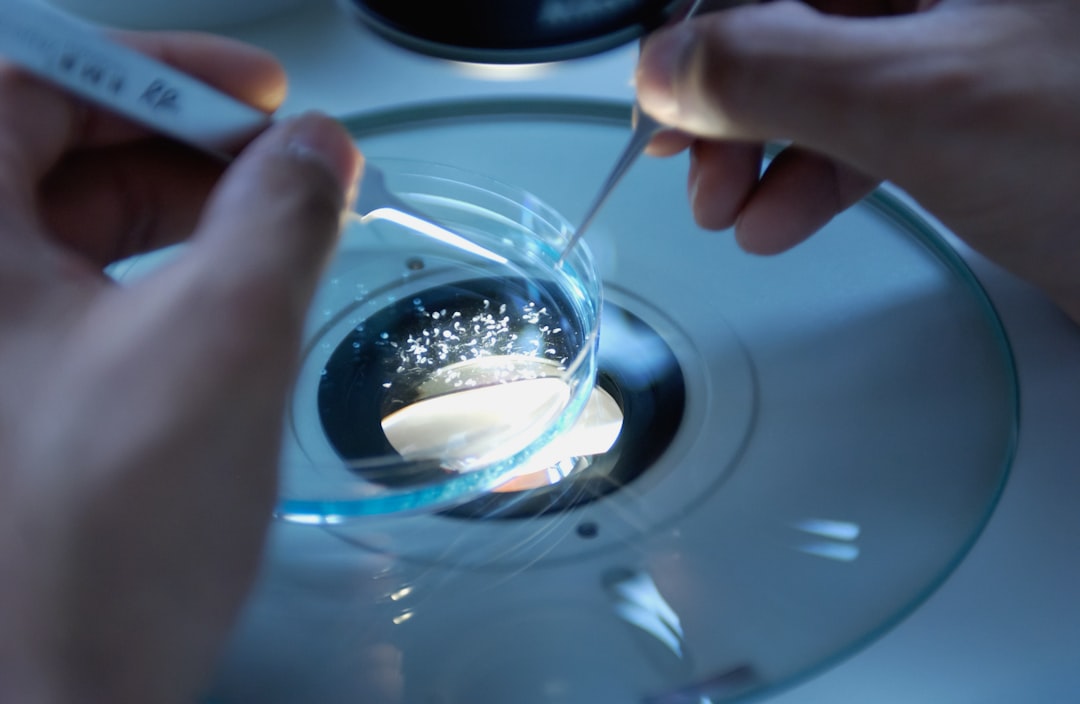
The IVF process involves several key steps:
- Initial Consultation and Evaluation: A doctor will conduct a comprehensive examination and evaluation of both partners to determine if IVF is suitable for them.
- Ovulation Induction: Medications are used to stimulate a woman's ovaries to produce multiple eggs.
- Egg Retrieval: A surgical procedure is performed to retrieve eggs from the ovaries.
- Sperm Collection: A semen sample is provided by the male partner.
- In Vitro Fertilization: Eggs and sperm are combined in a laboratory to form an embryo.
- Embryo Culture: The embryo is cultured in a laboratory to monitor its development.
- Embryo Transfer: The embryo is transferred to the woman's uterus.
- Pregnancy Confirmation: A pregnancy test is conducted to confirm if the treatment was successful.
Initial Consultation and Evaluation
Before undergoing IVF, both partners must undergo a comprehensive examination and evaluation. The doctor will take a medical history, perform a physical examination, and conduct laboratory tests to determine if IVF is suitable.
- Women may need to undergo:
- Tubal patency testing
- Ovarian function testing
- Endometrial testing
- Men may need to undergo:
- Semen analysis
- Male hormone testing
Ovulation Induction and Egg Retrieval

Ovulation induction is a critical step in the IVF process. Medications are used to stimulate the ovaries to produce multiple eggs. Egg retrieval is typically performed in a hospital, where a doctor uses ultrasound-guided needles to collect eggs.
In Vitro Fertilization and Embryo Culture
After egg retrieval and sperm collection, eggs and sperm are combined in a laboratory to form an embryo. The embryo is then cultured in a laboratory to monitor its development.
Embryo Transfer
Embryo transfer is the final step in the IVF process. The embryo is transferred to the woman's uterus, and she is advised to rest for a period to ensure the embryo can implant successfully.
Pregnancy Confirmation
Two weeks after embryo transfer, a pregnancy test is conducted to confirm if the treatment was successful. If pregnancy is confirmed, the doctor will continue to monitor the embryo's development to ensure a smooth pregnancy.
For those seeking professional IVF services, institutions like F.I.R.S.T. (Florida Institute for Reproductive Sciences and Technologies), located in Weston, Florida, offer comprehensive services, including IVF and donor egg services, with a Google rating of 5. Their team of experienced reproductive endocrinologists provides personalized care to help couples achieve their fertility goals.
Similarly, Chicago IVF, based in Skokie, Illinois, is known for its high-quality fertility care at affordable prices, also with a Google rating of 5.
Additionally, Fertility Solutions, PC, located in Dedham, Massachusetts, provides tailored fertility treatment plans to help couples realize their dream of having a child, boasting a Google rating of 5.
The IVF process may seem complex, but with proper preparation and cooperation with your doctor, you can increase your chances of success and achieve your dream of having a child.