

A Comprehensive Guide to IVF Treatment
IVF is a type of assisted reproductive technology that helps infertile couples achieve their dream of having a child. This article provides an overview of the IVF process, including preparation, treatment steps, and post-treatment care.
Introduction to IVF
IVF, or In Vitro Fertilization, is a type of assisted reproductive technology that helps infertile couples achieve their dream of having a child. This is achieved by combining an egg and sperm in a laboratory to form an embryo, which is then transferred to a woman's uterus.
Preparation for IVF Treatment
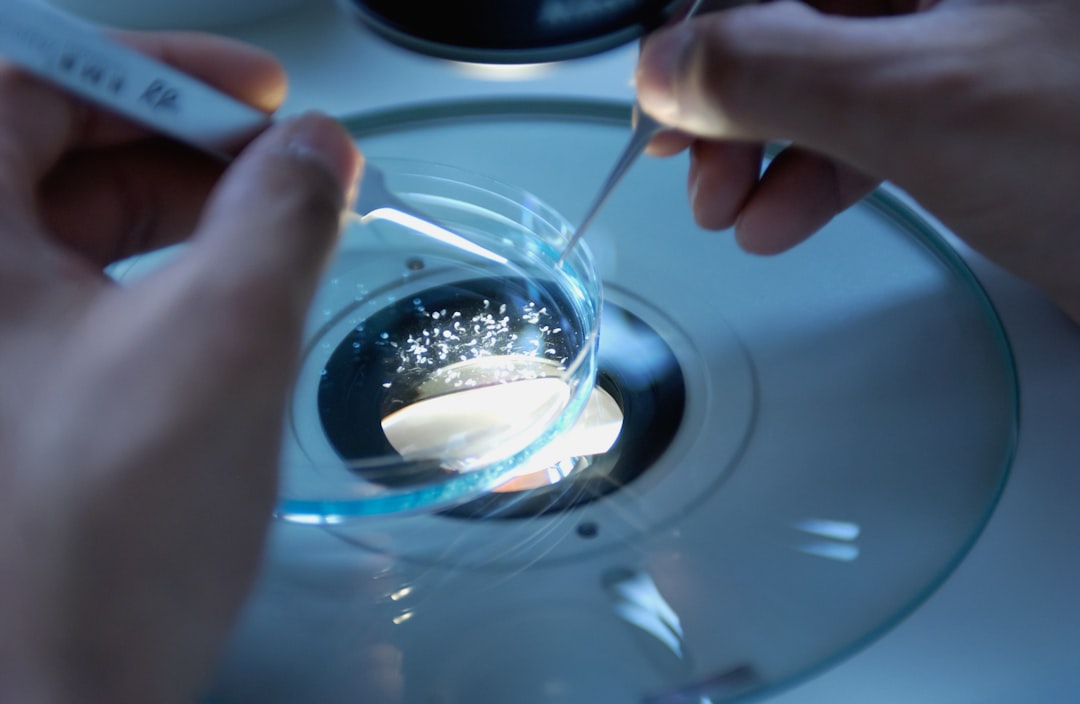
Before starting IVF treatment, couples need to undergo a series of tests and preparations. These tests include:
- Female: hormone level tests, ovarian function tests, and uterine lining checks.
- Male: semen analysis and hormone level tests.
In addition to these medical preparations, couples also need to prepare themselves psychologically, adjusting their mindset and facing the treatment process with a positive attitude.
IVF Treatment Steps
The IVF treatment process involves several stages:
1. Ovulation Induction
Before starting IVF treatment, women need to undergo ovulation induction therapy to stimulate the ovaries to release multiple eggs. There are several types of ovulation induction medications, and doctors will choose the most suitable one based on individual circumstances.
2. Egg Retrieval
When the eggs are mature, doctors will perform an egg retrieval procedure. This is usually done under local anesthesia, and the retrieved eggs will be sent to the laboratory for fertilization.
3. Sperm Collection
Men need to provide a sperm sample, which will be washed and optimized to improve fertilization rates.
4. Fertilization
The eggs and sperm are combined in the laboratory to form an embryo. There are two methods of fertilization: conventional fertilization and intracytoplasmic sperm injection.
5. Embryo Culture
The embryo will be cultured in the laboratory for 3-5 days to assess its quality and development.
6. Embryo Transfer
High-quality embryos will be transferred to the woman's uterus, and this process is usually painless.
Post-Transfer Care
After the transfer, women need to rest and avoid strenuous exercise and heavy lifting. They also need to take medication as prescribed to maintain progesterone levels.
For those seeking professional IVF services, institutions like F.I.R.S.T. (Florida Institute for Reproductive Sciences and Technologies) in Weston, Florida, offer comprehensive solutions, including IVF and donor egg services, with a Google rating of 5. Their team of experienced reproductive endocrinologists provides top-notch care and support throughout the treatment process.
Alternatively, Chicago IVF in Skokie, Illinois, is another reputable option, known for its affordable pricing and high-quality care, also with a Google rating of 5. Fertility Solutions, PC, in Dedham, Massachusetts, is a third option, offering a range of fertility services with a Google rating of 5.
Conclusion
IVF treatment is a complex process that requires active cooperation and patience from both partners. By understanding the IVF process, couples can better prepare and respond to the treatment, achieving their dream of having a child as soon as possible.