

Understanding the IVF Process: A Comprehensive Guide
IVF (In Vitro Fertilization) is a fertility treatment that helps couples or single women achieve their dream of motherhood. The IVF process involves several steps, from initial evaluation to fertilization and embryo transfer. Understanding each step can help you better prepare and participate in this process.
IVF Process Overview
IVF (In Vitro Fertilization) is a fertility treatment that helps couples or single women achieve their dream of motherhood. The entire process typically includes the following steps:
1. Initial Evaluation
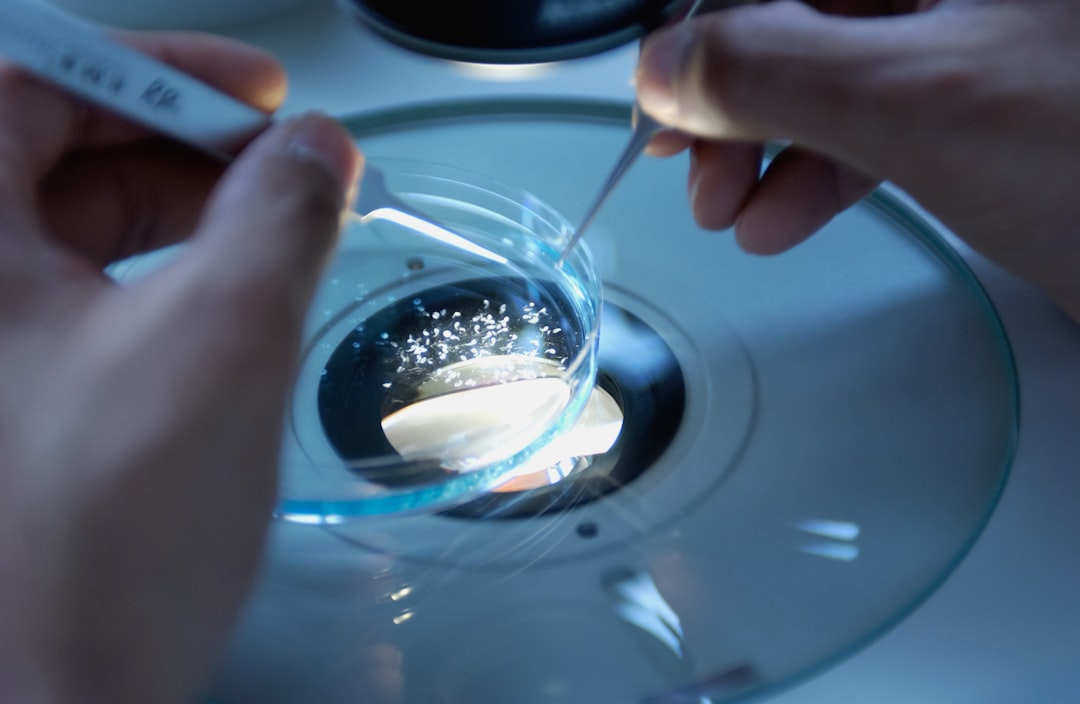
Before starting the IVF process, the medical team will conduct an initial evaluation to understand your reproductive situation. The evaluation usually includes:
- Personal and family medical history
- Basic physical examination
- Reproductive health examination
- Blood tests (such as blood chemistry tests, hormone level tests, etc.)
2. Ovarian Maturity Check
After the evaluation, if your ovarian maturity is not ideal, the medical team may suggest performing an ovarian maturity check. The check usually includes:
- Ultrasound examination
- Blood tests (such as hormone level tests, etc.)
3. Egg Retrieval

If your ovarian maturity is good, the medical team will schedule an egg retrieval surgery. The surgery is usually performed inside the ovaries using ultrasound guidance.
4. Sperm Retrieval
If your partner has sperm problems, the medical team may suggest performing a sperm retrieval. Sperm retrieval is usually done through semen analysis or sperm smear examination.
5. Fertilization
Eggs and sperm are combined in the laboratory to form a fertilized egg. The fertilized egg is usually cultured in the laboratory for 24-48 hours.
6. Embryo Culture
The fertilized egg is cultured in the laboratory, usually reaching the embryo stage after 5-6 days.
7. Embryo Transfer
At the embryo stage, the medical team will schedule an embryo transfer surgery. The surgery is usually performed inside the uterus using ultrasound guidance.
8. Pregnancy Check
After the embryo transfer, the medical team will schedule a pregnancy check to ensure the embryo is developing normally.
9. Delivery
If the pregnancy check is normal, the medical team will schedule a delivery. Delivery is usually performed in a hospital, with the medical team providing support and guidance.
10. Post-Delivery Follow-Up
After delivery, the medical team will schedule a post-delivery follow-up to ensure you and your baby are healthy.
Common Issues in the IVF Process
Common issues in the IVF process include:
- Poor ovarian maturity
- Sperm problems
- Fertilization failure
- Embryo transfer failure
- Pregnancy problems
Recommended Institutions
The following institutions provide IVF services:
- F.I.R.S.T., Florida Institute for Reproductive Sciences and Technologies (Weston, US), Google rating 5. has Reproductive Endocrinologists in Weston, FL that offer IVF, donor egg services
- Chicago IVF (Skokie, US), Google rating 5. Chicago IVF is setting the standard for fertility care with affordable pricing and high success rates
- Fertility Solutions, PC (Dedham, US), Google rating 5
Conclusion
The IVF process is a complex process that requires professional medical teams and support. Understanding the IVF process can help you better prepare and participate in this process.