
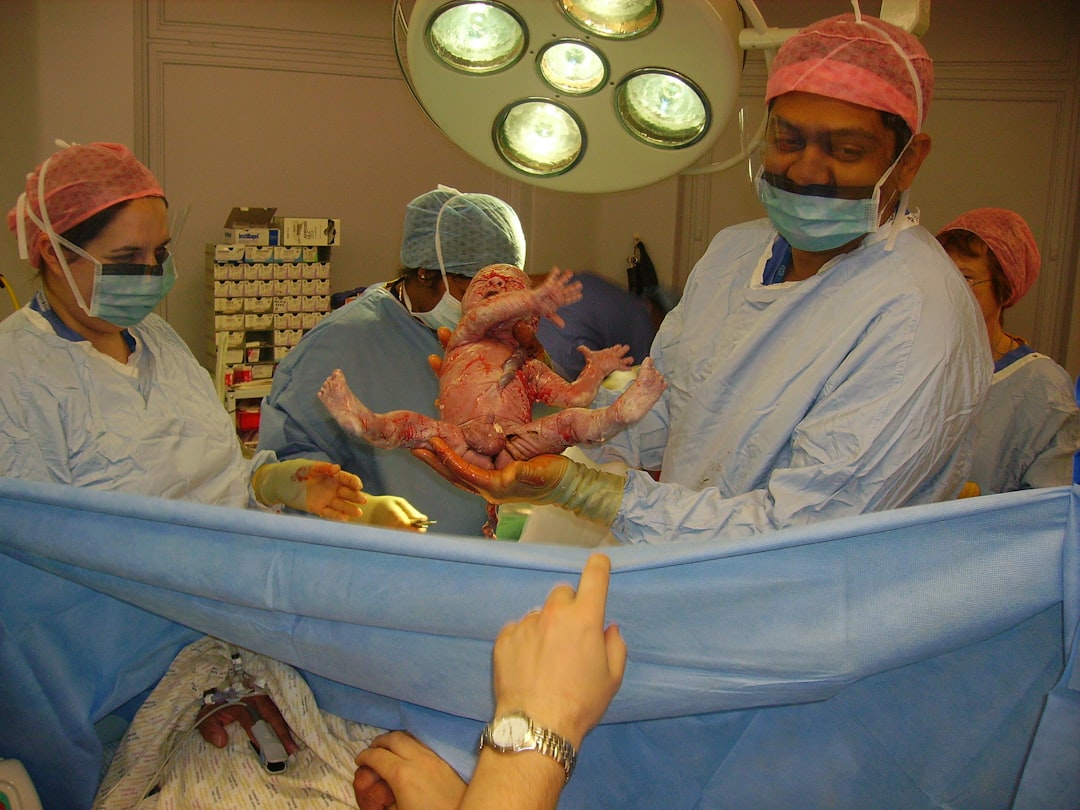
Understanding the IVF Process: A Step-by-Step Guide
IVF, or in vitro fertilization, is a fertility treatment that helps couples or individuals achieve their dream of having a child. The IVF process involves several steps, including initial evaluation, ovarian stimulation, egg retrieval, sperm preparation, fertilization, embryo culture, embryo transfer, and pregnancy testing. Understanding each step of the IVF process is crucial for preparing and expecting this journey.
What is IVF?
IVF, or in vitro fertilization, is a fertility treatment that helps couples or individuals achieve their dream of having a child. The IVF process involves several steps, including initial evaluation, ovarian stimulation, egg retrieval, sperm preparation, fertilization, embryo culture, embryo transfer, and pregnancy testing.
Step 1: Initial Evaluation
Before starting the IVF process, a doctor will perform an initial evaluation to understand your reproductive history, physical condition, and other relevant factors. This evaluation typically includes:
- Asking about your reproductive history and family history
- Performing a physical examination and blood tests
- Checking your ovarian function and menstrual cycle
Step 2: Ovarian Stimulation
If your initial evaluation results are favorable, your doctor will begin the ovarian stimulation process. Ovarian stimulation aims to stimulate your ovaries to produce multiple eggs. This process typically takes several weeks and includes:
- Using hormone medications to stimulate your ovaries
- Performing multiple ultrasound scans to monitor your ovarian response
- Using hormone medications to regulate your ovarian response
Step 3: Egg Retrieval
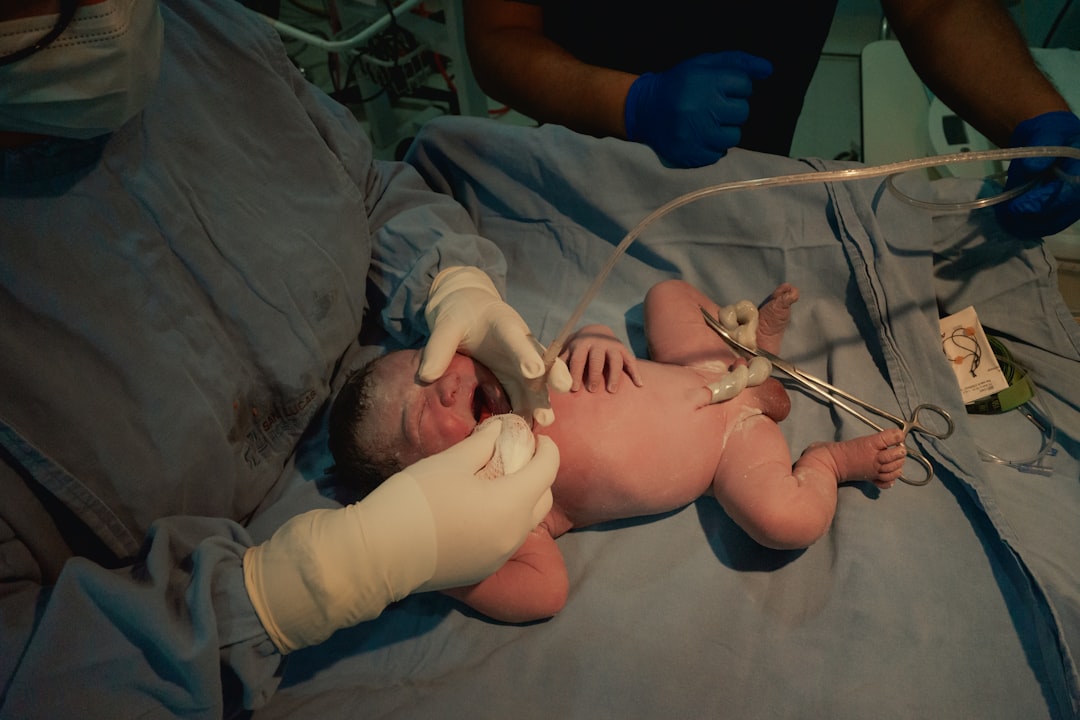
Once ovarian stimulation is complete, your doctor will perform egg retrieval. Egg retrieval typically occurs at the peak of ovarian stimulation and includes:
- Using ultrasound guidance to locate the eggs in your ovaries
- Using a needle to retrieve the eggs
- Storing the eggs in a specialized container
Step 4: Sperm Preparation
Meanwhile, your partner will need to prepare their sperm. Sperm preparation typically includes:
- Performing a sperm test to ensure the sperm count and quality are good
- Using hormone medications to regulate sperm quality and quantity
Step 5: Fertilization and Embryo Culture
Once the eggs and sperm are ready, your doctor will combine them in a specialized container. After fertilization, the embryo will be cultured in the container for several days, during which time it will undergo rapid growth and development.
Step 6: Embryo Transfer
Once the embryo culture is complete, your doctor will transfer the embryo to your uterus. Embryo transfer typically occurs during ovulation and includes:
- Transferring the embryo to your uterus
- Monitoring the embryo's implantation and growth
Step 7: Pregnancy Testing
Finally, your doctor will perform pregnancy testing to confirm whether you are pregnant. Pregnancy testing typically includes:
- Performing an ultrasound scan to monitor the embryo's growth
- Checking your blood for pregnancy hormones
- Confirming whether you are pregnant
Choosing a Fertility Clinic
The IVF process is complex and requires multiple steps and a team of professionals. Understanding each step of the IVF process is crucial for preparing and expecting this journey. If you are considering IVF, it is essential to choose a reputable fertility clinic with experienced professionals. Here are three highly-rated fertility clinics:
- F.I.R.S.T., Florida Institute for Reproductive Sciences and Technologies (Weston, US), rated 5/5 on Google. This clinic offers IVF, donor egg services, and reproductive endocrinology.
- Chicago IVF (Skokie, US), rated 5/5 on Google. This clinic sets the standard for fertility care with affordable pricing and a range of services.
- Fertility Solutions, PC (Dedham, US), rated 5/5 on Google. This clinic offers a range of fertility services, including IVF, egg freezing, and surrogacy.