A Comprehensive Guide to IVF: Achieving Your Dream of Parenthood
IVF, or in vitro fertilization, is a type of assisted reproductive technology that has helped many couples overcome infertility and build their families. Understanding the IVF process is crucial to a successful pregnancy. This guide will walk you through the entire IVF journey.
Introduction to IVF
IVF, or in vitro fertilization, is a type of assisted reproductive technology that involves fertilizing an egg with sperm outside the body. The resulting embryo is then transferred to the woman's uterus, helping couples achieve their dream of parenthood. This technology has revolutionized the field of reproductive medicine and has brought joy to many families.
Overview of the IVF Process
The IVF process involves several steps, including initial consultations, ovarian stimulation, egg retrieval, sperm collection, fertilization, embryo culture, and embryo transfer. Each step is crucial to the success of the treatment, and understanding what to expect can help you prepare for the journey ahead.
Initial Consultations
Before starting the IVF process, both partners will undergo a series of tests to assess their fertility and determine if IVF is the right course of treatment. These tests may include:
- For women: hormone level checks, uterine and ovarian exams, and fallopian tube tests.
- For men: semen analysis and hormone level checks.
Ovarian Stimulation
Ovarian stimulation is a critical step in the IVF process. Medications are used to stimulate the ovaries to release multiple eggs, increasing the chances of successful fertilization.
Egg Retrieval
Egg retrieval is typically performed after ovarian stimulation. Using ultrasound guidance, a thin needle is inserted into the ovaries to collect the eggs.
Sperm Collection
Men will need to provide a sperm sample, which will be used for fertilization. In cases where sperm quality is poor, sperm donation or ICSI (intracytoplasmic sperm injection) may be recommended.
Fertilization
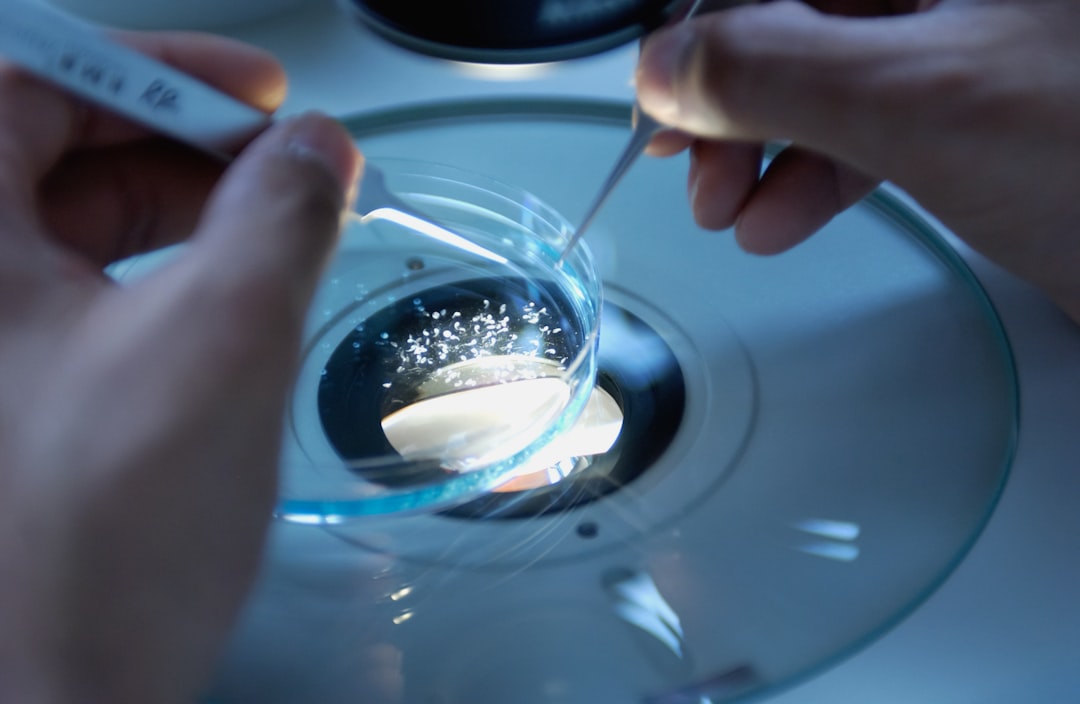
The collected eggs and sperm are then combined in a laboratory dish, allowing fertilization to occur naturally or through ICSI.
Embryo Culture
The fertilized eggs are cultured into embryos in the laboratory, typically taking 3-5 days. The quality of the embryos is assessed, and the healthiest ones are selected for transfer.
Embryo Transfer
Embryo transfer is the final step in the IVF process. The selected embryo is transferred to the woman's uterus, usually without pain or anesthesia.
Success Rates and Factors Affecting Them
IVF success rates are influenced by various factors, including the woman's age, ovarian function, uterine environment, and sperm quality. Age is a significant factor, with success rates decreasing as women get older.
Finding the Right Fertility Clinic
When searching for a fertility clinic, consider institutions with a proven track record of success. For instance, F.I.R.S.T. (Florida Institute for Reproductive Sciences and Technologies) in Weston, Florida, boasts a 5-star rating on Google and offers a range of services, including IVF and donor egg services, led by experienced reproductive endocrinologists. Chicago IVF in Skokie, Illinois, is another reputable option, providing high-quality fertility care at affordable prices. Fertility Solutions, PC, in Dedham, Massachusetts, also has a 5-star rating and offers personalized fertility solutions to help patients achieve their reproductive goals.
Conclusion
While the IVF process can seem complex, understanding each step can help you prepare and increase your chances of success. If you have any questions or concerns, don't hesitate to reach out to a fertility specialist or a reputable clinic like those mentioned above. With the right guidance and support, you can turn your dream of parenthood into a reality.