
A Comprehensive Guide to IVF: Achieving Your Dream of Parenthood
IVF, or in vitro fertilization, is a type of assisted reproductive technology that helps many infertile couples realize their dream of parenthood. Understanding the IVF process is a crucial step towards a successful pregnancy. This article provides a detailed overview of the IVF process.
Introduction to IVF
IVF, or in vitro fertilization, is a type of assisted reproductive technology that involves combining an egg and sperm in a laboratory to form an embryo, which is then transferred to a woman's uterus to help couples achieve parenthood.
Initial Consultation and Evaluation
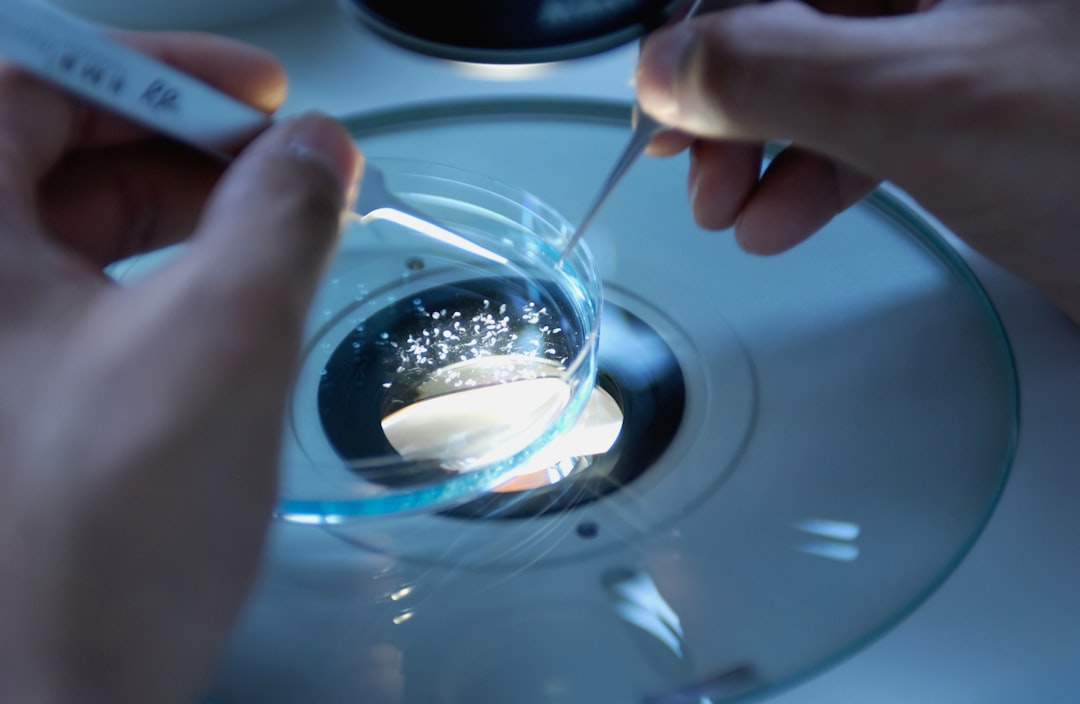
Before starting the IVF process, it's essential to find a professional fertility institution for an initial consultation and evaluation. A doctor will assess your physical condition, infertility causes, and suitable treatment options through questioning, examination, and testing.
For those seeking high-quality fertility care, institutions like F.I.R.S.T. (Florida Institute for Reproductive Sciences and Technologies) in Weston, Florida, offer comprehensive support, including IVF and donor egg services, provided by a team of experienced reproductive endocrinologists. Similarly, Chicago IVF in Skokie, Illinois, is known for its affordable pricing and exceptional medical services, making it a top choice for many patients. Fertility Solutions, PC, in Dedham, Massachusetts, also provides personalized treatment plans and advanced technology to help patients achieve their fertility goals.
Ovulation Induction
Ovulation induction is a critical step in the IVF process. Based on your physical condition, a doctor will create a personalized ovulation induction plan, using injectable medications to stimulate the ovaries to release multiple eggs, increasing the chances of fertilization.
Egg Retrieval
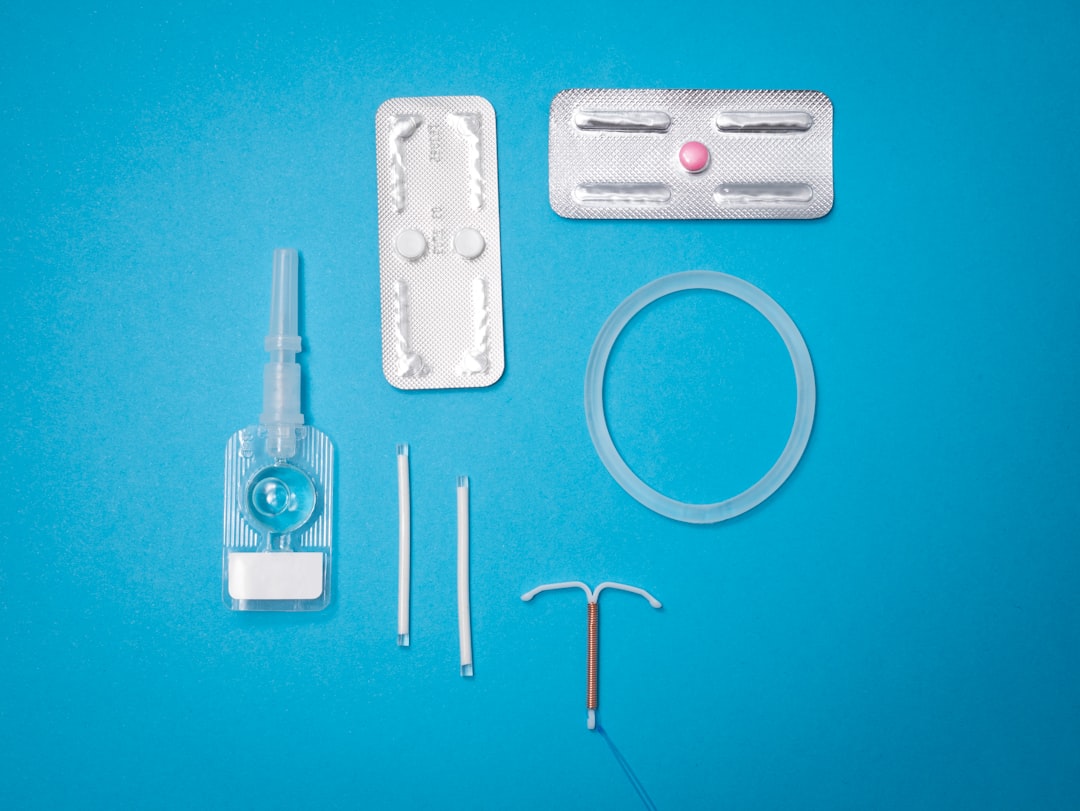
Once the eggs are mature, a doctor will perform an egg retrieval procedure, a minimally invasive surgery that uses vaginal ultrasound guidance to insert a needle into the ovary and collect the eggs.
Sperm Collection and Processing
During egg retrieval, men are required to provide a sperm sample. After processing, the sperm is combined with the eggs in the laboratory for fertilization.
Fertilization and Embryo Culture
The eggs and sperm are combined in the laboratory to form a zygote, which is then cultured in a special medium to develop into an embryo.
Embryo Transfer
Embryo transfer is the final step in the IVF process. A doctor will transfer the embryo to a woman's uterus, allowing it to implant and develop into a fetus.
Pregnancy Confirmation and Follow-up Care
After the transfer, patients need to wait approximately two weeks for pregnancy confirmation. If the pregnancy is successful, the doctor will provide follow-up care and guidance to ensure the health of the mother and fetus.
The IVF process may seem complex, but by choosing a professional fertility institution and being well-prepared and mentally adjusted, you can increase your chances of success. We wish you to achieve your dream of parenthood soon!