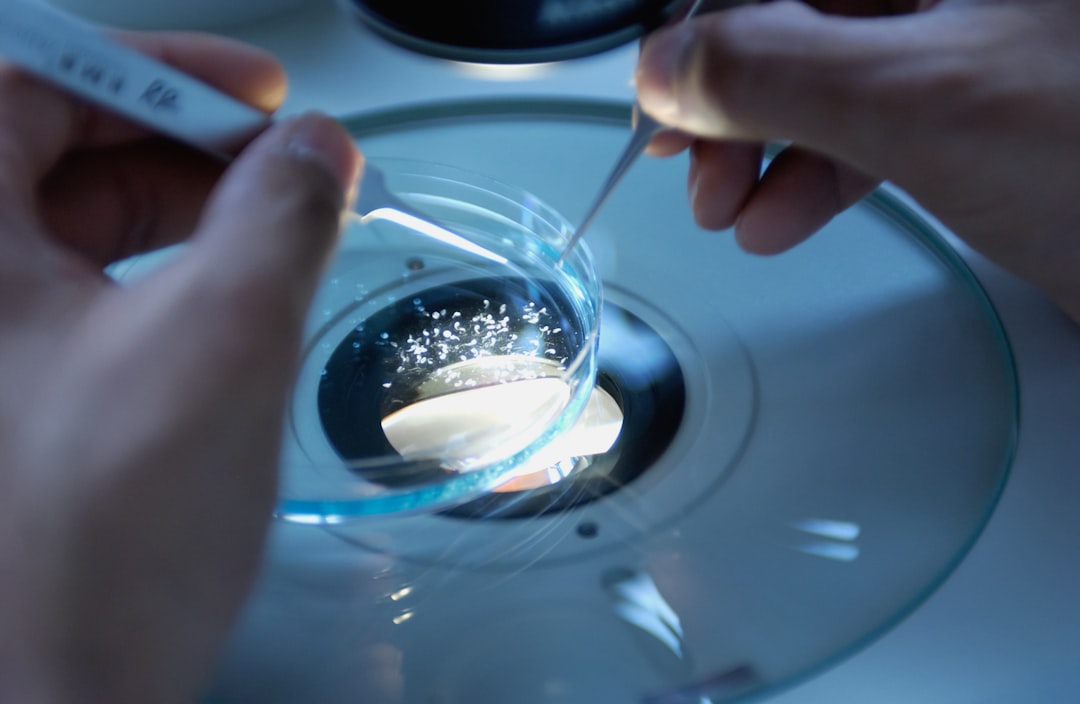
A Comprehensive Guide to IVF: Achieving Your Dream of Parenthood
IVF is a type of assisted reproductive technology that helps many infertile couples realize their dream of having a child. Understanding the IVF process is a crucial step towards a successful pregnancy. This article provides a detailed overview of the IVF process.
Introduction to IVF
In Vitro Fertilization (IVF) is a type of assisted reproductive technology that helps infertile couples achieve their dream of having a child. IVF involves combining an egg and sperm in a laboratory to form an embryo, which is then transferred to a woman's uterus. This technology has helped many couples overcome infertility and build their families.
Pre-IVF Preparation
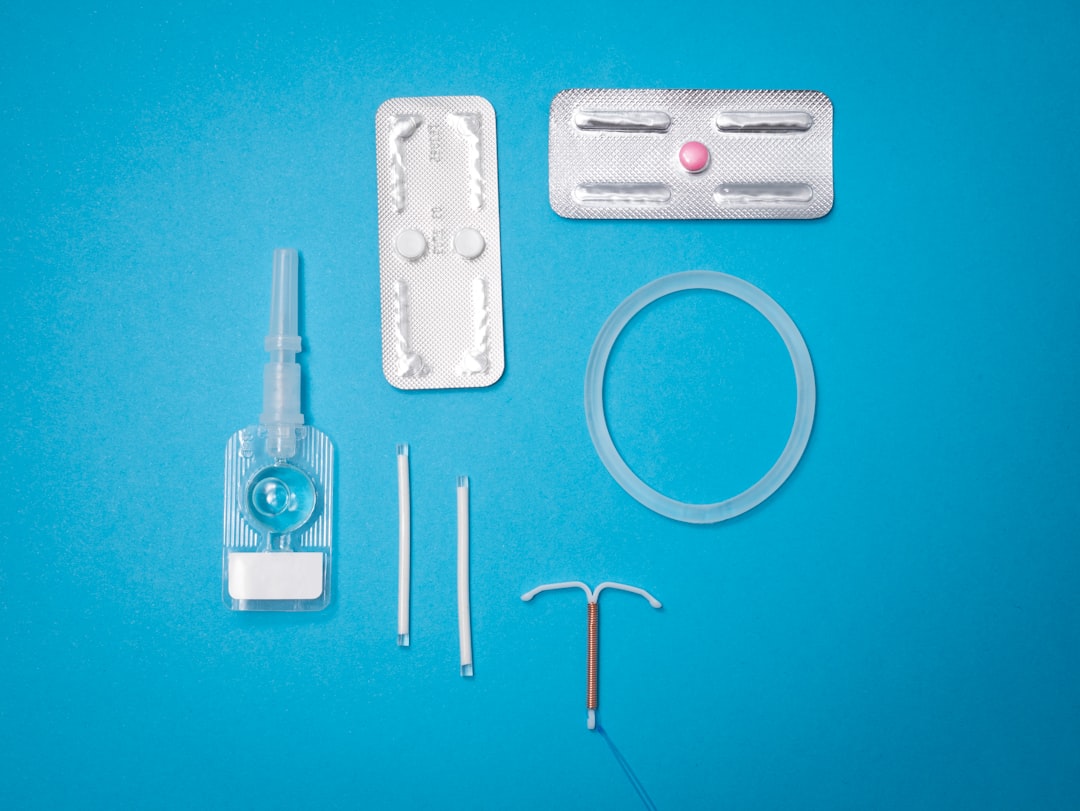
Before starting the IVF process, couples need to undergo a series of tests and preparations. These tests include:
- Female: hormone level tests, ovarian function tests, uterine lining checks, etc.
- Male: semen analysis, hormone level tests, etc.
The IVF Process
1. Ovulation Induction

The first step in the IVF process is ovulation induction treatment. This treatment involves injecting hormones to stimulate the ovaries to release multiple eggs, increasing the chances of successful fertilization.
2. Egg Retrieval
Once the eggs are mature, an egg retrieval surgery is performed. This process is usually done under anesthesia, and a doctor uses ultrasound-guided needles to collect eggs from the ovaries.
3. Sperm Collection
At the same time, the male partner needs to provide a sperm sample. If the sperm quality is poor, sperm donation or ICSI (intracytoplasmic sperm injection) technology may be required.
4. In Vitro Fertilization
The collected eggs and sperm are then fertilized in a laboratory. The doctor will mix the sperm with the eggs and cultivate them for a period of time to observe if fertilization occurs.
5. Embryo Culture
The fertilized eggs will be cultured in a laboratory for 3-5 days to form embryos. During this period, the doctor will monitor the embryos to ensure their healthy development.
6. Embryo Transfer
After the embryo culture is complete, the doctor will transfer the embryo to the woman's uterus. This process usually does not require anesthesia and is similar to a cervical examination.
7. Pregnancy Confirmation
After the transfer, the woman needs to wait for about two weeks to confirm if she is pregnant. If the pregnancy is successful, the doctor will continue to monitor the fetus's development to ensure a smooth pregnancy.
IVF Success Rate
The success rate of IVF is affected by various factors, including the woman's age, ovarian function, and uterine lining quality. Generally, the success rate of IVF is between 30-50%.
Choosing the Right IVF Institution
Choosing a professional IVF institution is crucial for a successful pregnancy. Institutions like F.I.R.S.T. (Florida Institute for Reproductive Sciences and Technologies) in Weston, US, with a 5-star Google rating, offer advanced reproductive technologies and high success rates. Similarly, Chicago IVF in Skokie, US, and Fertility Solutions, PC in Dedham, US, both with 5-star Google ratings, provide affordable and high-quality fertility care.
Conclusion
The IVF process may seem complex, but by understanding each step, couples can better prepare for a successful pregnancy. Choosing the right IVF institution and doctor, following their advice, and actively cooperating with treatment are key to realizing the dream of parenthood.